
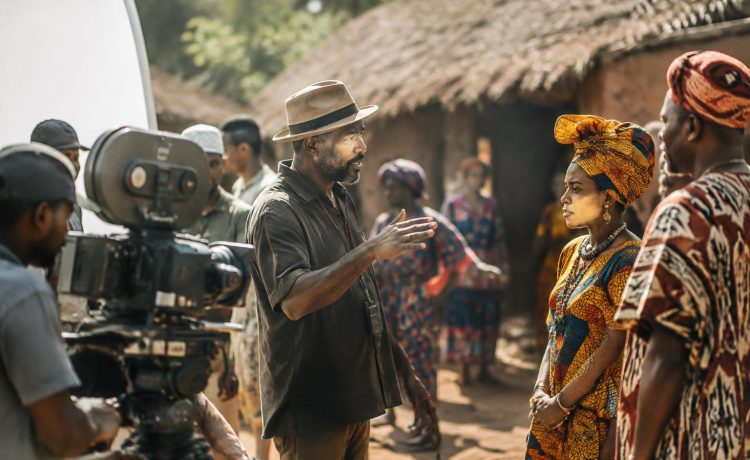
African cinema shows how a story’s setting, language and community can shape its meaning, from a Nollywood family drama to a documentary filmed in Accra. As you develop your own film, pay attention to how character choices and local detail carry the story, even when you have limited equipment. A market stall, a family compound or a familiar phrase can anchor a scene.
Stories Rooted in Place
Setting gives a story its own rules, sounds and pressures. In an African village, a city neighbourhood or a coastal community, details such as water access, transport routes, market days and local languages shape what can happen on screen. Research these conditions before you write, then build scenes around specific places your crew can film, such as a bus stop at rush hour or a courtyard during a family gathering.
Characters with Purpose
Desire, Choice and Consequence
Give each character a clear desire, then make the story test what they are willing to risk for it. In a Nollywood family drama, a daughter seeking control of her late father’s shop might hide a debt from her siblings; that choice creates conflict with a specific cost. Build each turn from the character’s decisions, not from coincidence, and let the consequences change relationships, plans or loyalties. Even a short film gains force when its central character must choose between two things they value.
Visual Storytelling on a Small Budget
Make Framing Carry Meaning
Frame each shot to show how a character relates to their surroundings. A wide composition can make someone appear isolated in a crowded courtyard, while a close-up brings attention to a hand hesitating over a letter. Use doorways, window frames and foreground objects to create depth without extra equipment. Before you move the camera, ask what the viewer should notice first, then arrange the actors and background accordingly.
Shape Light and Use Available Locations
Window light, a shaded veranda or a bright patch of afternoon sun can give a scene distinct visual character. Position your subject near a window and use a white sheet or reflector to soften shadows; block harsh light with a curtain when faces become difficult to read. Choose locations that already carry meaning, such as a busy market stall or an empty family room, and let their details remain visible in the frame.
Sound, Music and Silence
Let Sound Carry the Place
Record the location as carefully as you frame it. In a Lagos street scene, traffic, a hawker’s call and a nearby generator can establish place without explanatory dialogue; in a village scene, insects or wind through trees create a different acoustic setting. Capture clean ambience on a separate track, using a portable recorder or a phone placed close to the sound source, then layer it beneath dialogue.
Shape Emotion with Restraint
Music works best when it supports the feeling already present in the scene rather than instructing the audience what to feel. A restrained drum pattern beneath a family gathering, or a brief melodic phrase after a character’s difficult choice, can carry cultural texture and emotional weight. Silence has its own presence: lower the score and let a breath, a room tone or a distant call hold the moment.
Editing for Rhythm and Meaning
Shape Each Scene Around a Change
In the edit, you shape performances into a clear chain of choices and consequences. Keep the moment a character changes their mind, then trim pauses that repeat information the audience already has. A cut on a glance or a held reaction can carry more meaning than another line of dialogue. In a Nollywood family drama, retaining a sibling’s silent response after an accusation gives the next reply its emotional weight.
Learning Across Fiction and Documentary
Let Form Serve the Story
Across fiction and documentary, you can draw on African cinema’s attention to place, community and lived detail without copying one fixed style. In a scripted scene, build character through a shared meal or a family meeting; in a documentary interview, let the setting and surrounding activity carry meaning alongside spoken testimony. A handheld camera, available light and carefully recorded room tone can support either form, while the filmmaker’s choices about consent and staging remain distinct.
Taking Your Story to an Audience
Plan the Release Alongside Production
Map a practical route from your final edit to viewers before production ends. Set aside time for subtitles, a trailer, a poster, and delivery files in the formats required by your chosen platforms or festival. African cinema often reaches audiences through several channels, from community screenings to online distribution; your film’s subject, language, and intended viewers should guide the mix. Assign one person to track submissions and screening dates, even on a small crew.
Conclusion
African cinema shows you how place, character and sound can carry a story as powerfully as expensive equipment. Build your next script around specific people and settings, then use available light, clear location sound and purposeful editing to shape each scene. Whether you are making a Nollywood drama, a short documentary or a first film with friends, let the details of your community guide your choices. A carefully recorded conversation or a familiar street can give your film its own voice.
