
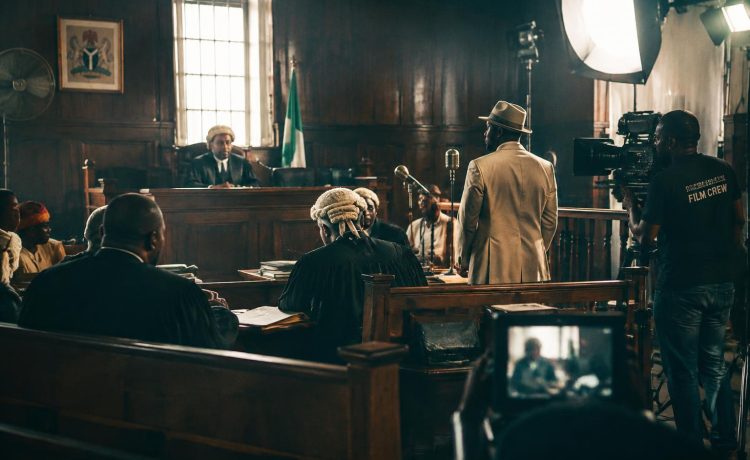
Real events take on new meaning when Nigerian filmmakers bring them to the screen, shaping personal memories and public history into compelling drama. As you watch these films, you encounter stories rooted in recognizable people, places, and struggles, alongside the creative choices that turn testimony into cinema. Their Nigerian settings give each account a distinct social and historical context.
How True Stories Become Nigerian Films
Adaptation turns documented events into a dramatic structure without treating every recorded detail as equally useful on screen. You see filmmakers select a point of view, compress timelines, and build scenes around the decisions and consequences that shape a story. Interviews, court records, newspaper archives, and family accounts can supply different kinds of evidence, while a screenplay arranges that material into a coherent sequence of images and dialogue.
Nigerian Films Inspired by Real People
Bringing Notable Nigerians to the Screen
Biographical films give you a close view of how Nigerian filmmakers shape a public figure’s life into a character-driven story. In Funmilayo Ransome-Kuti, for instance, director Bolanle Austen-Peters portrays the activist and educator through her family relationships, political work, and role in the women’s movement. You see historical identity carried by performance, costume, dialogue, and carefully selected episodes, rather than by a complete record of every event in Ransome-Kuti’s life.
Films Based on Historical Events and National Crises
National history on screen
Through films such as October 1, you see Nigeria’s road to independence refracted through a fictional murder investigation set in 1960. Kunle Afolayan uses the final days of colonial rule as the story’s historical frame, placing local characters within a country approaching a major political transition. The film’s period setting, from costumes to colonial institutions, gives you a cinematic account of how national change shaped everyday life.
Films Drawn from Social Issues and Personal Struggles
Everyday Pressures on Screen
In films such as Dry, which confronts child marriage and its lasting effects, you see how social pressures enter private lives through family decisions, limited access to education, and unequal power. Stories grounded in these realities bring familiar challenges into focus, from seeking medical care to protecting a child’s future. Their force often lies in specific human consequences, such as a young woman’s interrupted schooling or the difficult choices facing a household.
Fact, Fiction, and Filmmaking Choices
Fidelity Within a Dramatic Frame
Screenwriters often compress timelines, combine minor roles, or invent dialogue to give a documented story a clear dramatic shape. You can distinguish these choices from factual claims by looking at how the film presents its central people, events, and setting. In Nigerian historical dramas, a recreated conversation may carry the emotional weight of a scene without being a verbatim record, while costumes, locations, and public events can anchor the story in a specific period.
Where to Watch and What to Watch Next
Find Available Versions
Start with the film’s official distributor or streaming service, since Nigerian titles shift between platforms and regions. Search the exact title in services such as Netflix, Prime Video, or YouTube Movies, then verify that the listing is the feature film rather than a trailer or recap. For older releases, check legitimate Nigerian film distributors and cinema archives for licensed digital or physical copies.
Build a Follow-Up Watchlist
After a film, look up its director, lead actors, and the historical figure or event behind its story. Those details give you a practical route to related Nigerian dramas, documentaries, and interviews, while film credits can distinguish a dramatization from archival footage. Add titles such as October 1 or The Milkmaid to your watchlist, then confirm each title’s current availability in your region.
Conclusion
By watching Nigerian films drawn from real people, public events, and everyday struggles, you see how filmmakers translate documented experiences into dramatic stories. A film’s emotional force does not make every scene a literal record, so distinguish its central historical basis from dialogue, compressed timelines, and invented characters. That balance is part of the craft: Nollywood stories such as October 1 connect individual lives with wider histories, giving you a vivid starting point for exploring Nigeria’s past and present.
