
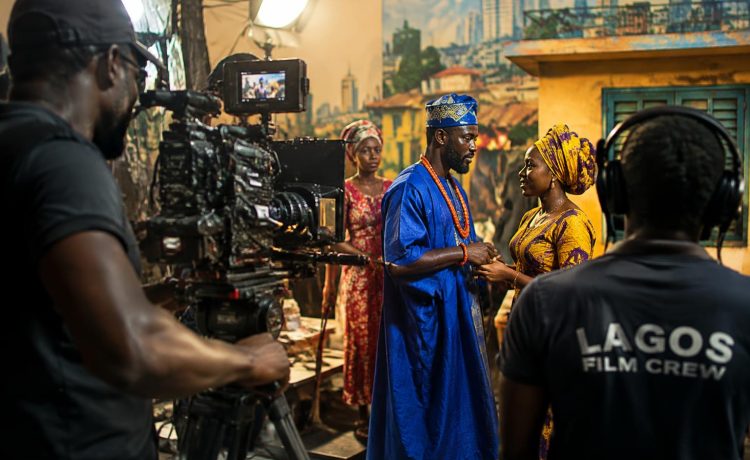
Nollywood is Nigeria’s film industry, known for stories rooted in the country’s languages, communities, and everyday life. Its filmmakers work across cinemas, television, and digital platforms, reaching audiences in Nigeria and across the diaspora. As you encounter Nollywood, you’ll find a broad body of work shaped by local storytelling and a fast-changing production culture.
What Nollywood Is and How It Began
To understand Nollywood’s identity, you need to see it as a broad, locally rooted film industry rather than a single studio or production company. Its name refers to Nigeria’s interconnected network of filmmakers, performers, producers, distributors, and audiences. The industry grew through changing technologies and business conditions, while Nigerian stories and creative talent remained at its center. Its reach now extends beyond national borders, connecting productions made in Nigeria with viewers across the African diaspora.
Defining Nollywood
Nollywood is the common name for Nigeria’s film industry, whose productions are made in the country’s many languages and cultural settings. You encounter work from major centers such as Lagos, alongside filmmaking communities elsewhere in Nigeria. The label does not describe one official organization, production style, or governing body; it groups together a varied industry of independent companies and professionals. Nigerian filmmakers and audiences use Nollywood as a recognizable name for this national creative sector.
A brief history of Nigeria’s film industry
Nigeria’s screen history began before the name Nollywood became widely used, with cinema exhibition and locally made productions developing through the twentieth century. After independence, Nigerian television and theatre helped train performers and build audiences for homegrown stories. A major shift came in the early 1990s, when the home-video market made film production and sales more accessible. The success of Living in Bondage, released in 1992, is often associated with Nollywood’s emergence as a modern industry.
Types of Nollywood Films
Across Nollywood, you encounter films shaped by genre, language, and viewing format, from intimate family dramas to broad comedies and supernatural thrillers. Stories often draw on Nigerian social life, including marriage, faith, class, migration, and tensions between generations. The same themes appear in films made for different audiences and platforms, while a director’s choice of language and style gives each production a distinct cultural setting, such as a Lagos household or a Yoruba community.
Popular genres and storytelling styles
Drama, comedy, romance, crime, and supernatural stories are familiar parts of Nollywood’s range. Family dramas often turn on inheritance, marital conflict, or obligations to relatives, while comedies use sharp dialogue and recognizable social situations. In supernatural films, spiritual forces may shape everyday decisions, reflecting the place of religion and traditional belief in many characters’ lives. You will also find action and historical stories, alongside films that blend genres, such as a romance threaded with family conflict.
Films in Nigeria’s major languages
English-language films reach audiences across Nigeria’s many language communities, while productions in Yoruba, Igbo, and Hausa speak directly to specific cultural settings. You may hear Nigerian Pidgin in dialogue, especially in urban stories, or encounter it alongside English and another Nigerian language. Yoruba cinema has a long-standing identity of its own, and Hausa-language films are closely associated with northern Nigeria’s Kannywood industry. Language shapes humor, idiom, performances, and the social details you hear on screen.
Cinema releases, television, and streaming
Nollywood titles appear in cinemas, on television, and through streaming services, giving you different kinds of viewing experiences. Cinema releases often include polished dramas and comedies designed for a shared, big-screen audience. Television films and series bring stories into regular home viewing, while streaming catalogs include both recent productions and older titles. A streaming platform might group films by language or genre, making it easier to find an Igbo family drama or a Yoruba-language comedy.
How Nollywood Films Are Made and Distributed
From an initial script to a finished release, a Nollywood film passes through a production chain shaped by budgets, schedules, and the routes available to reach viewers. You will find projects made for cinema, television, or direct online release, with those choices influencing decisions about filming, editing, and promotion. Producers coordinate the work across these stages, while distributors and streaming platforms determine how a completed film enters the market.
Development, financing, and production
Producers typically begin with a script or story concept, then assemble financing through private investment, production companies, brand partnerships, or platform commissions. The budget informs decisions about cast, locations, equipment, and shooting days. During production, directors guide performances and camera work, while cinematographers, sound teams, and editors translate the script into finished scenes. A Lagos-based production, for instance, might schedule several interior scenes together to reduce location changes and keep filming on track.
Distribution, streaming, and cinema
After editing and sound mixing, a film is prepared for its intended release route. Distributors arrange cinema bookings and publicity, while television licensing and digital platforms provide other ways to reach audiences. Streaming services may commission projects or acquire completed films, with availability shaped by territory and licensing agreements. A theatrical release can also build awareness before a later digital launch, while direct-to-streaming films skip cinema bookings and appear on services such as Netflix or Africa Magic’s platforms.
The roles of filmmakers, actors, and platforms
Across the production chain, filmmakers make creative and logistical decisions: producers manage financing and schedules, directors shape performances and visual storytelling, and editors assemble footage into a coherent cut. Actors bring characters to life through dialogue, movement, and collaboration with the director. Distributors and platforms handle access to audiences, from cinema placement to digital hosting and promotion. A platform’s commissioning brief, for example, can influence a project’s format, delivery requirements, and release window.
Tips for Exploring Nollywood
Start with a viewing question, such as how a story uses family obligation, faith, comedy, or urban life, and keep brief notes on the details that shape your response. Nigerian films reflect varied languages, communities, and storytelling traditions, so a single title offers only one perspective. As you watch, note the setting, character relationships, and references you do not recognize; those details provide useful starting points for learning about a film’s context.
Choosing a film by genre, language, or era
Choose a genre that matches your interests, from romance and comedy to thriller, family drama, or supernatural stories. Language offers another route: English-language productions sit alongside films in Yoruba, Igbo, Hausa, and other Nigerian languages, sometimes with subtitles. For a sense of changing styles, compare an older home-video-era title with a recent cinema release, paying attention to pacing, image quality, and how the story is told.
Finding films through cinemas and streaming services
Local cinema listings can point you toward new Nigerian releases, while streaming services provide access to both recent titles and selected catalog films. Search by a film’s title, Nigerian origin, or a performer’s name, then check the audio and subtitle options before pressing play. Availability varies by country and platform, so a title found in a cinema program may not appear in your streaming catalog; distributor and filmmaker pages often identify official viewing routes.
Following directors, actors, and industry news
Follow directors and actors through verified social media accounts, interviews, and film festival pages to learn about their work and discover related titles. Credits provide a practical trail: note a director, screenwriter, or lead performer you enjoyed, then look up other films associated with that person. Nigerian entertainment publications and cinema announcements also share release news, trailers, and cast details, giving you concrete names to search on platforms such as YouTube.
Factors, Pros, and Cons of Nollywood’s Growth
For you as a viewer, Nollywood’s expansion brings more films, voices, and ways to watch, alongside persistent limits in how productions are financed and protected. The industry’s growth reflects changing access to cameras and online platforms, strong demand for Nigerian stories, and connections with audiences abroad. Yet increased output does not automatically mean steady funding or reliable returns for filmmakers. These competing forces shape which projects reach screens and how widely their creators can share them.
Factors driving growth, including technology and audience demand
Affordable digital cameras and editing software have lowered some barriers to production, while streaming services and social media give filmmakers additional routes to audiences. As a viewer, you can find Nigerian titles beyond local cinemas, including through services serving African and diaspora communities. Demand for stories grounded in Nigerian languages, settings, and contemporary life also supports production. Mobile internet makes clips and recommendations easy to circulate, bringing attention to films such as those released on YouTube.
Pros: cultural influence, jobs, and global reach
Through Nollywood films, you encounter Nigerian languages, fashion, music, family life, and social debates presented to local and international audiences. Production also creates work for actors, writers, camera operators, editors, makeup artists, and cinema staff. Nigerian filmmakers and performers gain visibility through festival screenings, streaming catalogs, and collaborations beyond the country. A film centered on Lagos, for instance, can introduce viewers abroad to the city’s speech, neighborhoods, and everyday rhythms.
Cons: funding, piracy, and production constraints
For filmmakers, limited access to dependable financing can mean tight schedules, smaller crews, or fewer resources for post-production and promotion. Pirated copies circulate without returning revenue to the people who made the film, weakening the funds available for later projects. You may also notice uneven sound, lighting, or distribution between productions, since equipment, skilled labor, and cinema access are not equally available. A delayed release or unauthorized online upload can further disrupt a film’s planned earnings.
Summing up
Nollywood is Nigeria’s film industry, shaped by local languages, stories, production crews, cinemas, and digital platforms. As you explore its films, you’ll find everything from homegrown dramas and comedies to ambitious productions reaching audiences across Africa and beyond. The industry’s growth brings wider distribution and new opportunities, alongside practical pressures such as funding and production costs. Following the filmmakers, performers, and stories behind each release gives you a clearer view of Nollywood’s range and its continuing place in Nigerian culture.
