
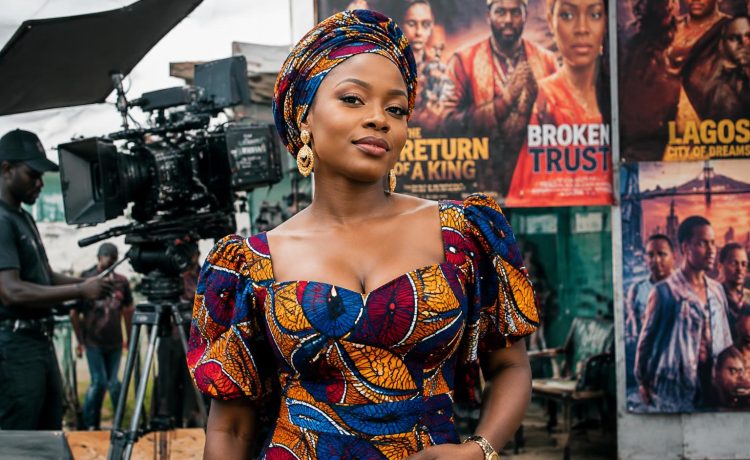
Nollywood’s strongest women are not defined by a single kind of heroism: they may lead a family business, resist social pressure, or make difficult choices in public and private life. As you watch these stories, you encounter characters shaped by Nigerian communities, ambitions, and constraints, with films such as The Figurine and October 1 offering distinct examples of women asserting agency.
Defining Strength in Nollywood’s Women-Led Stories
Across Nollywood, women’s strength is not confined to physical bravery or a single dramatic victory. You see it in decisions made under pressure, in the negotiation of family and community expectations, and in the persistence required to claim a voice. These stories often place agency within familiar social structures, showing how a woman’s choices can shift relationships, work, and responsibility without removing the constraints she faces.
Strength through independence and ambition
Independence often appears through a woman’s pursuit of education, income, or professional authority, especially where relatives or partners expect her to accept a narrower role. You recognize ambition not simply as personal success, but as the ability to set priorities and make consequential decisions. A business owner negotiating with suppliers, for instance, exercises agency through practical judgment as well as aspiration, while the story acknowledges the social costs of refusing dependence.
Courage in the face of adversity
Resilience takes shape in how women respond to betrayal, financial strain, bereavement, or unequal treatment, rather than in suffering alone. You see courage in sustained action: seeking support, protecting dependants, confronting abuse, or rebuilding a livelihood despite limited options. Nollywood’s portrayals often connect private endurance with public consequences, giving a woman’s response weight within her household and community, whether she speaks in a family meeting or pursues accountability through formal channels.
Best Nollywood Movies About Strong Women
These films put women’s decisions at the center of the story, giving you memorable protagonists whose ambitions, loyalties, and resourcefulness shape the action. In The Wedding Party, Dunni’s wedding plans expose the pressures surrounding a high-profile family celebration, while King of Boys follows Alhaja Eniola Salami, a businesswoman and political power broker confronting threats to her influence. Their different settings, from a Lagos wedding to political intrigue, offer distinct portraits of women driving the plot.
Films about personal reinvention and self-determination
For a story of reinvention, Chief Daddy gives you a family ensemble in which women contest inheritance and define their own place in a wealthy household. Skinny Girl in Transit, a popular screen story that grew from a web series, centers on Tiwa’s efforts to shape her career and relationships on her own terms. Across these titles, you see self-determination expressed through choices about work, love, money, and the future, rather than through a single dramatic gesture.
Films about family, leadership, and survival
In King of Boys, Sola Sobowale’s Alhaja Eniola Salami balances motherhood with a political network built through negotiation and force. October 1 places Miss Tawa, played by Kehinde Bankole, within a village community unsettled by violence, making her presence central to its tensions. For a family-focused drama, Living in Bondage: Breaking Free features Nnamdi’s wife, Kelly, whose choices affect the household’s response to his ambition and its consequences.
Powerful Performances and Memorable Characters
Across these stories, you encounter women whose choices carry the plot, from a mother protecting her family to a professional challenging authority. The performances make those decisions feel personal rather than symbolic: a measured reply, a refusal to retreat, or a moment of hesitation can reveal what a character stands to lose. By focusing on the actresses’ interpretations and the people they portray, you see strength expressed through distinct temperaments, relationships, and stakes.
Leading performances that shape the story
In King of Boys, Sola Sobowale gives Alhaja Eniola Salami a commanding presence, balancing political calculation with the strain of protecting her family. You see the character’s authority in how she controls a conversation, while brief flashes of vulnerability expose its personal cost. Adesua Etomi-Wellington brings a different force to
Complex women beyond familiar stereotypes
Rather than presenting strength as constant fearlessness, these films give you women who can be ambitious, loving, compromised, or mistaken. In Chief Daddy, Joke Silva’s Chief Damilola Beecroft navigates family power with composure and clear self-interest, not simply as a supportive relative. Òlòtūré places Sharon Ooja’s journalist inside a dangerous undercover role, where professional resolve meets vulnerability. Such characters resist easy labels because their motives shift with the relationships and risks surrounding them.
Themes That Define These Films
Across these stories, strength takes shape through choices made under pressure, not through a single model of success. You see characters weigh personal ambition against family loyalty, question identities shaped by class or marriage, and respond to expectations placed on women in Nigerian society. The conflicts often sit close to everyday life, from decisions about work and education to disputes over respectability, showing how a woman’s independence can challenge the roles others assign her.
Challenging gender roles and social pressure
At the center of many conflicts is the demand that women obey family authority, preserve appearances, or place marriage above personal goals. You watch heroines contest those demands through decisions about work, finances, education, and motherhood, while relatives and communities enforce ideas of proper conduct. Their resistance is not always a dramatic break; refusing a prescribed role or speaking openly in a family meeting can expose the cost of social pressure and make self-definition a visible act.
Friendship, solidarity, and women’s communities
Women’s relationships offer another source of strength, particularly where public authority and family support are limited. You see friends, sisters, colleagues, and older mentors exchange practical help, share hard-won knowledge, or stand beside someone facing judgment. These bonds are not portrayed as automatically harmonious: rivalry and disagreement can persist, but mutual recognition creates room for women to describe their experiences in their own terms, whether in a workplace conversation or a close-knit family circle.
Where to Watch and What to Watch Next
Finding a specific Nollywood title often takes a little searching because streaming rights and catalogues differ by country and change over time. Start with the film’s official distributor or production company, then search licensed services available in your region; a title’s page on a streaming platform is more reliable than an old availability list. If you prefer physical media, check established African film retailers and library catalogues for DVD editions.
Streaming platforms and availability
Netflix and Prime Video carry selected Nollywood films, while African-focused services such as Showmax and Africa Magic may offer titles in markets they serve. Search by the exact film title, then confirm the listing is playable in your country and includes the version you want, since rights can vary by territory. YouTube also hosts Nollywood films, but choose verified channels tied to a distributor or production company rather than unofficial uploads.
More Nollywood films featuring strong women
For another woman-centered story, look for King of Boys, in which Sola Sobowale plays businesswoman and political power broker Eniola Salami. Rattlesnake: The Ahanna Story offers a different crime-drama perspective through Bisola Aiyeola’s role as Amara. If you want a family-focused film, Chief Daddy features a large ensemble of women navigating inheritance and relationships, with a lighter tone than the crime dramas.
Final Words
These films give you women whose strength appears in distinct forms, from political resolve and entrepreneurial skill to the courage to confront family expectations. As you watch, performances by actors such as Nse Ikpe-Etim and Rita Dominic bring those conflicts into sharp focus, while stories such as The Figurine and King of Boys reveal the costs of ambition and power. Taken together, Nollywood’s women-led stories offer memorable characters shaped by difficult choices, social pressures, and personal conviction.
