
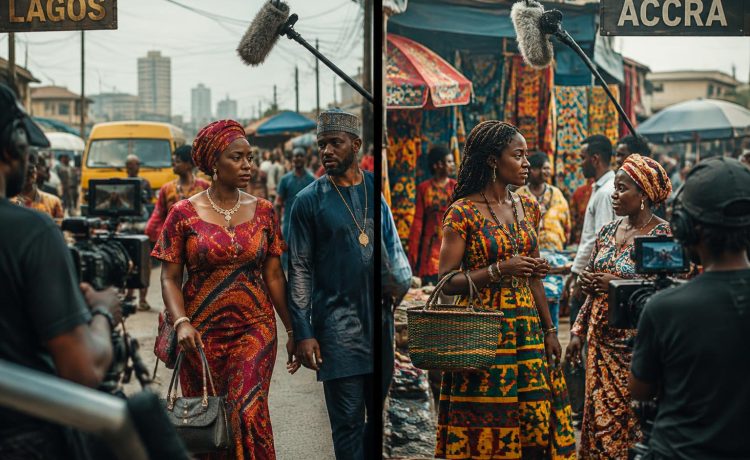
Across West Africa, Nigerian and Ghanaian films draw on shared languages, family ties, religious life, and urban experience, yet each industry has developed distinct production traditions. As you watch, you may recognize familiar themes while noticing differences in dialogue, performance, and filmmaking style, from Nollywood’s prolific output to Ghanaian stories shaped by local settings and audiences.
Shared Foundations of Nigerian and Ghanaian Cinema
Across both industries, you encounter films shaped by connected West African histories, community life, and oral storytelling practices. Directors draw on familiar social settings, from family compounds and bustling markets to churches and neighborhood gatherings, where relationships carry public as well as private meaning. These shared foundations give viewers in Nigeria and Ghana cultural reference points that cross national borders, including respect for elders, communal responsibility, and the influence of extended family.
Cultural and linguistic influences
In Nigerian and Ghanaian films, you hear English alongside languages such as Yoruba, Igbo, Hausa, Twi, and Ga, reflecting the multilingual lives of their audiences. Dialogue often shifts between languages within a scene, conveying intimacy, status, humor, or tension without lengthy explanation. Proverbs, greetings, honorifics, and local expressions also carry cultural meaning; a character’s choice of address, for instance, can signal respect for an elder or familiarity with a neighbor.
Common themes and genres
You will recognize recurring stories about family obligations, romance, faith, ambition, and disputes over inheritance in films from both countries. Melodrama gives these conflicts emotional weight, while comedy draws humor from household routines, social expectations, and misunderstandings between generations. Religious narratives also reflect the prominence of churches and spiritual belief in everyday life. Whether the plot centers on a marriage negotiation or a family business, personal choices often affect the wider community.
Regional audiences and cross-border appeal
Viewers across West Africa often recognize the settings, customs, and family dynamics portrayed in films from both Nigeria and Ghana. Shared English-language dialogue supports cross-border circulation, while subtitles and familiar cultural references help stories reach audiences with different first languages. A Ghanaian family drama can resonate with Nigerian viewers through its treatment of kinship and respect, just as Nigerian films travel through regional screenings, television, and online platforms. Local accents remain distinct, but many social concerns are widely understood.
Production and Industry Structures
Across Nigeria and Ghana, production decisions reflect the resources available to filmmakers, from private investment and broadcaster partnerships to trained crews and working facilities. You encounter two industries shaped by distinct production networks, but neither follows a single model: independent producers, established companies, and international collaborators operate alongside one another. Financing, equipment access, and routes to audiences influence project scale and scheduling, while local production relationships determine how budgets are assembled and which services are available.
Funding and production budgets
In Nigeria, private producers, production companies, brand partnerships, and investor networks commonly fund projects, with Nollywood’s large output spanning lean independent shoots and better-capitalized productions. Ghanaian filmmakers also draw on private backing, television partnerships, institutional support, and co-productions, though access differs by project. As a producer, you would build a budget around cast and crew fees, locations, equipment, post-production, and marketing, then adjust the shooting schedule to match secured funds rather than assumed future revenue.
Film infrastructure and crew development
Lagos anchors much of Nigeria’s production activity, with studios, rental houses, post-production services, and a broad freelance workforce concentrated around the city. Accra is a major Ghanaian hub, while production teams also work across regional locations and rely on local service providers. As a filmmaker, you depend on experienced cinematographers, sound recordists, production designers, editors, and reliable equipment access; crew training often comes through film schools, workshops, mentorship, and repeated work on commercial and independent sets.
Distribution, streaming, and theatrical markets
Distribution channels shape financing decisions in both countries. Nigerian films reach audiences through cinemas, television, DVD and digital platforms, while Ghanaian releases use theatrical exhibition, broadcast partnerships, and online services. As a producer, you negotiate rights and release plans according to a film’s budget, target audience, and platform interest; a streaming deal can provide a direct route beyond domestic cinemas, while theatrical distribution requires bookings, publicity, and coordination with exhibitors in markets such as Lagos and Accra.
Storytelling and Screen Style
Across both industries, filmmakers draw on familiar West African settings, languages, family ties, and social pressures, yet their choices of emphasis shape distinct screen identities. Nigerian productions often move between broad comic turns, domestic conflict, crime, and high-stakes melodrama, while Ghanaian films frequently give more room to intimate relationship dramas and community life. As you watch, track how dialogue, performance, and visual rhythm frame a story’s central conflict, from a family dispute in Lagos to a neighborhood gathering in Accra.
Plot Structure and Pacing
Nigerian plots often build through sharp reversals, overlapping conflicts, and heightened revelations, especially in family melodramas and thrillers. You may see a secret emerge early, then trigger confrontations that keep the story moving across several locations. Ghanaian narratives often favor a more measured progression, allowing courtship, household tension, or a moral dilemma to develop through extended scenes. These are broad tendencies rather than fixed rules: a Ghanaian comedy can move briskly, while a Nigerian drama can linger on a single family meeting.
Performance Styles and Casting
Performances give each film its own texture, and you can hear that difference in the use of English, Pidgin, and local languages such as Yoruba, Igbo, Twi, and Ga. Nigerian screen acting often accommodates emphatic emotional shifts and comic timing, with performers like Patience Ozokwor known for forceful family roles. Ghanaian films frequently foreground conversational exchanges and restrained reactions, though performers such as Adjetey Anang also bring intensity to dramatic parts. Casting choices shape how authority, kinship, and humor register within a scene.
Cinematography, Editing, and Sound
In Nigerian productions, rapid cutting, expressive close-ups, and prominent music cues often heighten suspense or underline a character’s emotional turn. Ghanaian films commonly use steadier framing and longer dialogue scenes, giving domestic interiors and street settings more visual space. You can also hear distinct language mixes and musical textures within each production, shaped by the story’s setting and characters. A sudden close-up paired with a rising score, or a held two-shot during a Twi exchange, changes the scene’s rhythm.
Audience, Reception, and Cultural Impact
Viewers shape how Nigerian and Ghanaian films travel, which stories gain attention, and how each national cinema is understood beyond its home market. Your response as an audience member, whether through cinema attendance, streaming, or discussion, contributes to a film’s visibility and cultural standing. Reception also varies across language, location, and familiarity with local references, so a comedy rooted in Accra can land differently with audiences in Lagos or among diaspora communities.
Domestic and international audiences
At home, Nigerian films draw on a large, diverse audience, with English-language productions and films in languages such as Yoruba and Igbo reaching different communities. Ghanaian movies speak to audiences through English and local languages, including Akan, while familiar settings and social customs anchor many stories. Outside West Africa, diaspora viewers often bring cultural knowledge that shapes reception, while subtitles and streaming platforms introduce Nollywood and Ghanaian titles to audiences less familiar with those references.
Stars, fan communities, and public image
Actors’ public profiles influence which films attract attention before release. Nigerian stars such as Genevieve Nnaji and Ghanaian performers such as Jackie Appiah maintain followings that extend across national borders through interviews, social media, and public appearances. As a viewer, you encounter these performers not only in roles but also through fashion, endorsements, and online conversation. Fan communities share trailers, debate performances, and circulate scenes, making an actor’s public image part of a film’s reception.
Social themes and cultural representation
Stories about family obligation, class, faith, gender, and urban life give audiences points of recognition and disagreement. Nigerian films often place these themes in settings shaped by the country’s many ethnic and religious communities, while Ghanaian productions draw on local customs, language, and social expectations. Your reading of a character’s choices can depend on how closely a film reflects lived experience, such as a family dispute over marriage or the pressures facing young people in Accra and Lagos.
Challenges and Opportunities for Both Industries
Across Nigeria and Ghana, filmmakers face shared pressures involving financing, rights enforcement, audience access, and competition for attention. Those constraints also create room for practical growth: producers can build regional partnerships, sell directly to viewers, and use streaming services to reach audiences beyond local cinema circuits. For you as a filmmaker or industry observer, the key opportunity lies in connecting stronger rights management with distribution plans that serve audiences at home and across West Africa.
Piracy and intellectual property
Unauthorized copying reduces the income available to producers, distributors, cast, and crew in both markets. You can see the impact when a film appears on informal download sites or copied discs before its licensed release has recouped production costs. Rights registration, clear contracts, secure screeners, and prompt takedown requests give filmmakers practical tools to protect ownership. Consistent enforcement also makes legitimate licensing more attractive to broadcasters and streaming platforms seeking documented rights.
Competition and collaboration
Nigerian and Ghanaian productions compete for viewers, investment, festival attention, and slots on streaming services, but shared projects can widen their reach. You can build collaboration through co-productions that combine financing, locations, crews, and talent from both countries, with written agreements defining budgets, ownership, and revenue shares. Joint casting and distribution partnerships also give a film access to distinct audiences, from Accra’s cinema circuits to Lagos-based media networks, without erasing either market’s identity.
Digital distribution and regional expansion
Streaming services, video-on-demand stores, and filmmaker-owned channels give you routes to audiences beyond traditional cinema releases. Digital delivery can connect a Ghanaian drama with Nigerian viewers, or a Nigerian comedy with diaspora audiences, provided subtitles, artwork, rights, and payment options fit each platform. Producers also need reliable metadata and territorial licensing, since a distributor’s rights in one country do not automatically cover another. Mobile viewing remains a practical route for reaching audiences outside major city cinemas.
Conclusion
You can see Nigerian and Ghanaian films as distinct expressions of a connected West African screen culture: both draw on local languages, family ties, religion, and urban life, while Nollywood’s larger production network and Ghana’s comparatively compact industry shape different budgets, release patterns, and storytelling choices. Your view of either cinema is richer when you notice those contrasts alongside shared themes, from Accra’s city settings to Nigerian family dramas. Together, their films bring West African experiences to audiences at home and across the diaspora.
